 IN THIS UNPRECEDENTED time, educational institutions and government agencies at all levels are providing different types of assistance and resources to help students and their families to navigate the “stay at home” order without jeopardizing their formal education development. Below you will find a list of formal and non-formal resources for you to consider.
Many educational institutions in the U.S. and worldwide have moved to online instruction, extended their spring break, shortened or adjusted their academic year, or have otherwise departed from the normal course of business, including the cancellation of graduation ceremonies. These institutions worldwide are striving to meet their students’ educational needs while working to reduce and decelerate the spread of the pandemic.
::: U.S. Department of Homeland Security (Student and Exchange Visitor Program). For the most updated information, click HERE and scroll down.
::: U.S. Department of Education. For the most updated information, click HERE and scroll down.
- COVID-19 (“Coronavirus”) Information and Resources for Schools and School Personnel (both K-12 and Higher Education): See guidance here.
- Guidance for Interruptions of Study Related to Coronavirus (COVID-19): See guidance here.
- Dear CPA Letter CPA-20-01, Site Visit Exemption During COVID-19 Outbreak: See guidance here.
- Information for Accrediting Agencies Regarding Temporary Flexibilities Provided to Coronavirus Impacted Institutions or Accrediting Agencies: See guidance here.
- Coronavirus and Forbearance Info for Students, Borrowers, and Parents: See guidance here.
FOR STUDENTS
::: College Student Travel Assistance, Enterprise. Special accommodations from Enterprise for college students to get home, by lowering the minimum rental age and eliminating fees for young renters. For more information, click HERE.
::: Free Storage for College Students, U-Haul. U-haul is offering free storage for college students impacted by coronavirus. For more information, click HERE.
::: Federal Student Aid Forbearance. According to the US Department of Education, “to provide relief to student loan borrowers during the COVID-19 national emergency, federal student loan borrowers are automatically being placed in an administrative forbearance, which allows you to temporarily stop making your monthly loan payment. This suspension of payments will last until Sept. 30, 2020, but you can still make payments if you choose.” For more information, click HERE.
::: U.S. Immigration and Customs Enforcement (ICE,) issued guidance on Coronavirus Disease 2019 (COVID-19) and Potential Procedural Adaptations for F and M Non-immigrant Students. To read the memo, click HERE.
FOR EDUCATORS
::: Resources for colleges and universities. To access a database of resources and information for colleges and universities in response to COVID-19, click HERE.
::: Hope Center guide. To download a guide for supporting students during COVID-19 from the Hope Center, click HERE.
::: Teacher2Teacher. This organization is a growing community where instructors can connect to share resources, learn from one another, and collaborate, especially now. For resources and reflections, click HERE.
::: The Office of Postsecondary Education, issued a COVID-19 FAQ and Guidance for interruptions of Study related to Coronavirus. To read the memo, click HERE.
::: The Center of Disease Control and Prevention (CDC) issued Interim Guidance for Administrators of US Institutions of Higher Education (IHE) to Plan, Prepare, and Respond to Coronavirus Disease 2019 (COVID-19) in English and Spanish. For more information, click HERE.
::: The Office of Postsecondary Education, issued Information for Accrediting Agencies Regarding Temporary Flexibilities Provided to Coronavirus Impacted Institutions or Accrediting Agencies. To read the memo from the Department of Education, click HERE.
At Home Non-Formal Education Activities
::: Department of Defense. To learn through videos about careers in STEM fields, click HERE.
::: Department of Education, National Center for Education Statistics. The NCES Kids’ Zone provides information to help learn about schools; decide on a college; engage in several games, quizzes and skill building about math, probability, graphing, and mathematicians; and to learn many interesting facts about education. To access the Kids’ Zone, click HERE.
::: Department of Energy
» For games and activities for children, click HERE.
» For games and activities for kids of all ages, click HERE.
::: Environmental Protection Agency. For games, quizzes, and videos about the environment, click HERE.
::: The Library of Congress. For presentations and activities to help students learn about history, click HERE.
::: NASA
» For interactive lessons about space, Earth, solar system and universe, click HERE.
» For STEM-related activities for students of all ages, click HERE.
::: The Kennedy Center
» For Lunch Doodles with Mo Willems, click HERE.
» For a Tour the Kennedy Center with The Pigeon, click HERE.
::: The Smithsonian
» For free Smithsonian STEM Games and Simulations, click HERE.
» To Meet the Animals of the National Zoo, click HERE.
» For 3D Exhibits and Virtual Tours of museums and collections, click HERE.
» For the Museum of Natural History Virtual Tour, click HERE.
» For the Digital Smithsonian American Art Museum, click HERE.
» For Distance Learning Resources, click HERE.
::: National Oceanic and Atmospheric Administration. For students to use real-time ocean data to explore today’s most pressing environmental issues, click HERE.
::: US Geological Survey. To learn from home about Physical science, Geography and Maps, click HERE.
—> Illustration by Elio Leturia


 I’TS TIME TO get social! The Chicago Chapter of the Fulbright Association invites you to a «Happy Hour» where we can connect, discuss, and enjoy socializing with our fellow alumni, students and scholars. Bring your beverage of choice and come join us for an evening of conversation and insightful tips to cope with the COVID-19 situation.
 DURING THIS TIME of the “stay at home” mandate, there is nothing more important than having a roof over your head. Here are a few resources to help you in this time of crisis, and ways to stay in touch with your community.
 IN TIMES OF NEED, there is always somewhere to turn. With a record number of people filing for unemployment and rent due, many people are struggling to pay their bills and buy groceries. Here are some ways to stock up if your kitchen is bare and you’re not sure what to do.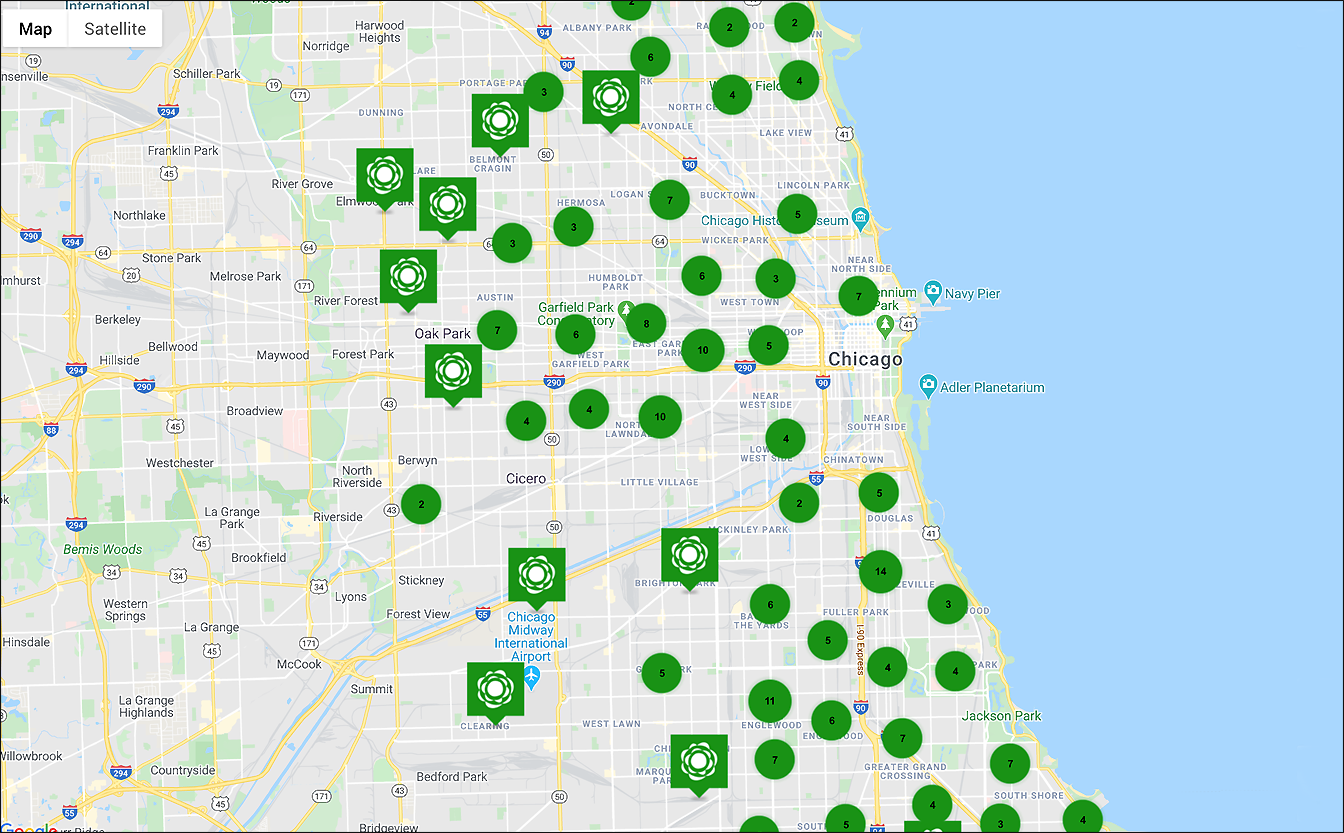
 Whether you shop at Aldi, Jewel, Mariano’s or Trader Joe’s, they have established shopping hours for senior citizens and other vulnerable populations. To find out about each individual store special schedule, click
  By Suzanne McBride—THE HUNGER WE HAVE for news and information at this chaotic and confusing time demonstrates the important role the media plays in helping us navigate our ever-changing world. Now more than ever it’s imperative that each of us look for reliable information that has been confirmed by credible and authoritative sources we trust.
 By Dr. Tatiana Orlova—THE RECENT STAY-AT-HOME order has brought many changes into our lives. It is very important to be able to do what we enjoy during stressful situations, however, social distancing could make many activities very difficult or even impossible. We should view these new challenges as great opportunities to expand our interests and creativity.
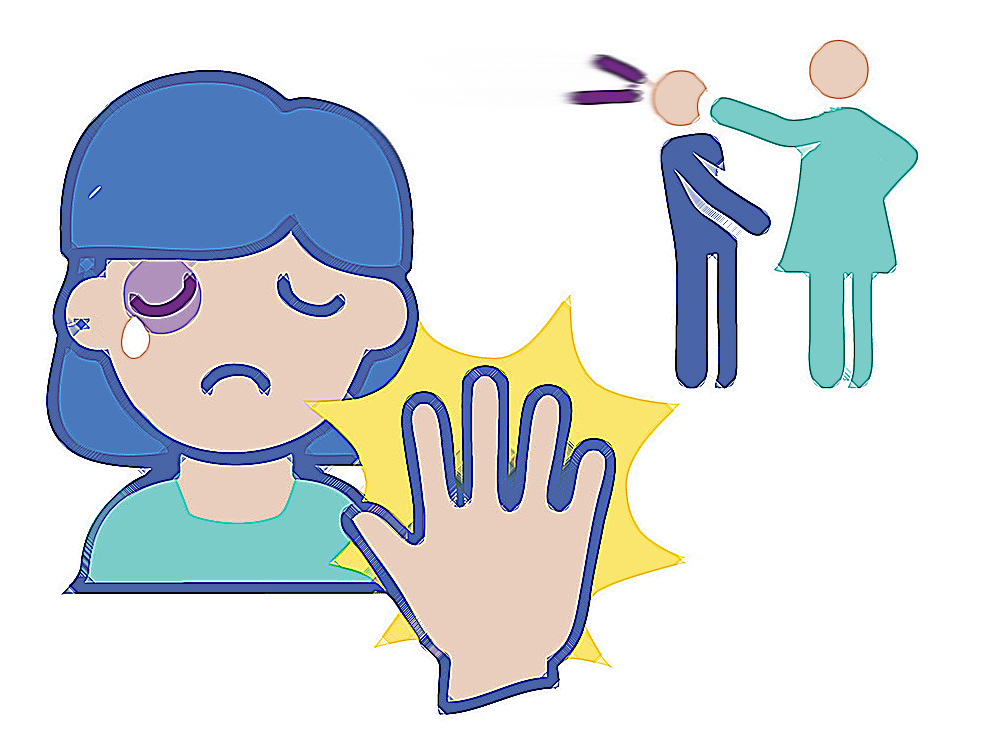 By Teuta Peja—DURING THE COVID-19 pandemic, we are continuously told to self-isolate and stay at home because home is the safest place to be while the virus rages outside. But for victims and survivors of domestic/family violence this may not be the case. Some abusers may take advantage of the coronavirus outbreak to exert further control over the victim. Self- isolation with abusers and social- distancing may increase isolation and family violence of more vulnerable groups.
 By Dr. Marilyn Susman— RIGHT NOW, IN ADDITION to the major losses of life, jobs and income in society, each of us is experiencing individual losses such as the end of Fulbright grants, separation from family and friends, missed graduations, and other lost opportunities. We have also lost the predictability that we take for granted such going to work or class, having our favorite foods available in the grocery store or going to a local restaurant to meet friends.


 FULBRIGHT CHICAGO